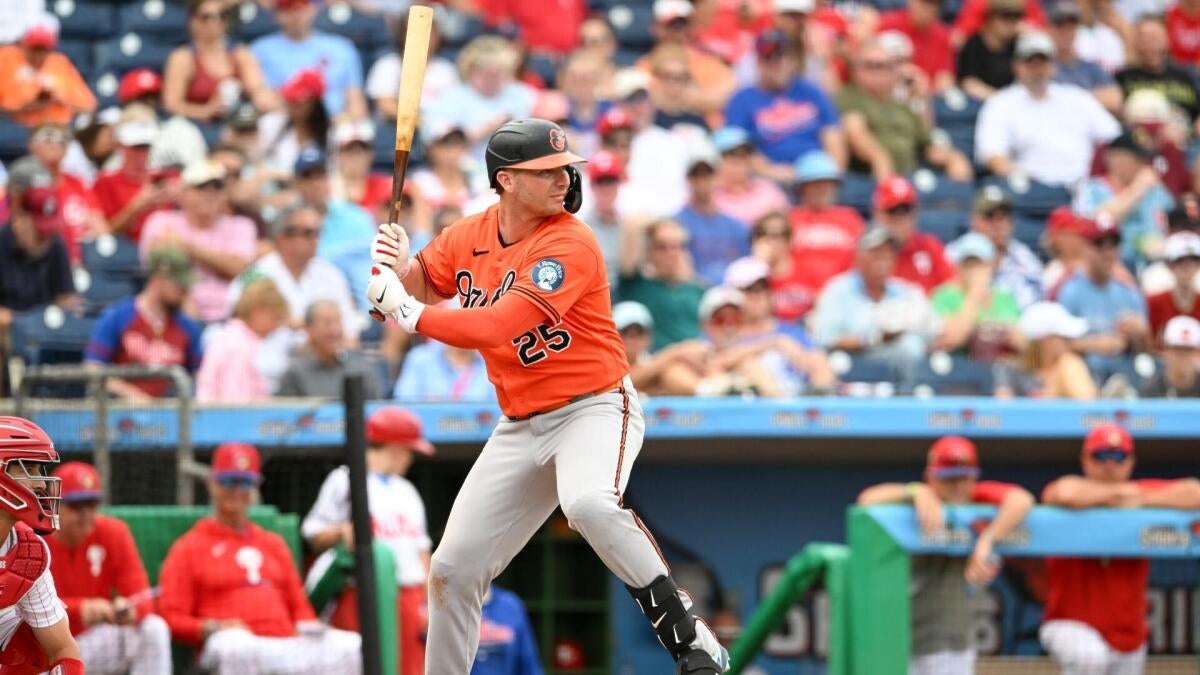
As fantasy baseball enthusiasts gear up for the 2026 season, many rely on advanced MLB models to guide their player rankings and draft strategies. These models analyze a wide range of data points to predict player performance, helping managers identify potential busts and breakout stars.
One of the key insights from these models is their ability to forecast players who may underperform relative to expectations. For example, Spencer Strider, a highly touted pitcher, was predicted by the model to have a disappointing season. This prediction is based on various factors, including recent performance trends, injury history, and underlying metrics that suggest potential struggles ahead.
Beyond Strider, the rankings highlight other players who might not live up to their ADP (Average Draft Position). These busts are identified through rigorous analysis, aiming to help fantasy managers avoid costly mistakes during drafts. The models incorporate historical data, player health, team context, and other variables to make these predictions.
It's important to note that while these models provide valuable insights, they are not infallible. Baseball remains unpredictable, and many factors can influence a player's season. Nonetheless, understanding these projections can give fantasy managers a strategic edge, allowing them to make more informed decisions and optimize their rosters.
As the 2026 fantasy baseball season approaches, staying updated with the latest model predictions and rankings will be crucial. Managers should consider these insights alongside their own research and intuition to build competitive teams capable of competing throughout the season.